Advanced adsorption and catalytic performance in one premium carbon media
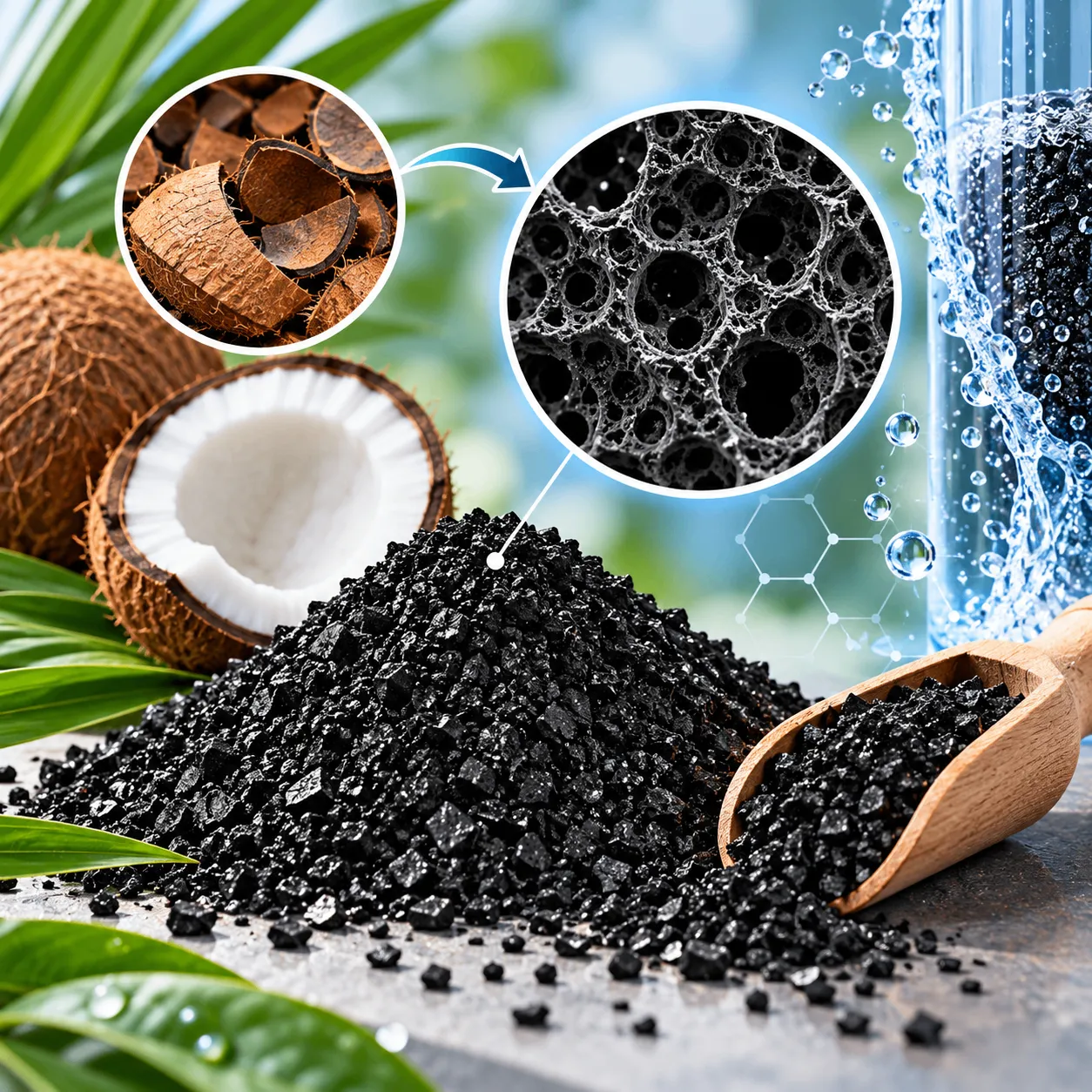
ACTIVESORB®-CX is a high-activity granular activated carbon manufactured by steam activation of carefully selected coconut shells.
Its extensive micropore structure provides strong adsorption of taste- and odor-causing compounds, natural organic matter, low-molecular-weight organics and chlorinated by-products such as chloroform and trihalomethanes. Enhanced catalytic activity supports the reduction of chloramine and hydrogen sulfide under appropriately engineered operating conditions. High mechanical hardness, optimized density and extensive dedusting help deliver dependable filtration, low carbon fines and consistently clear treated water.
Catalytic treatment. Powerful adsorption. Cleaner filtration.
One activated carbon media.
Multiple treatment applications.
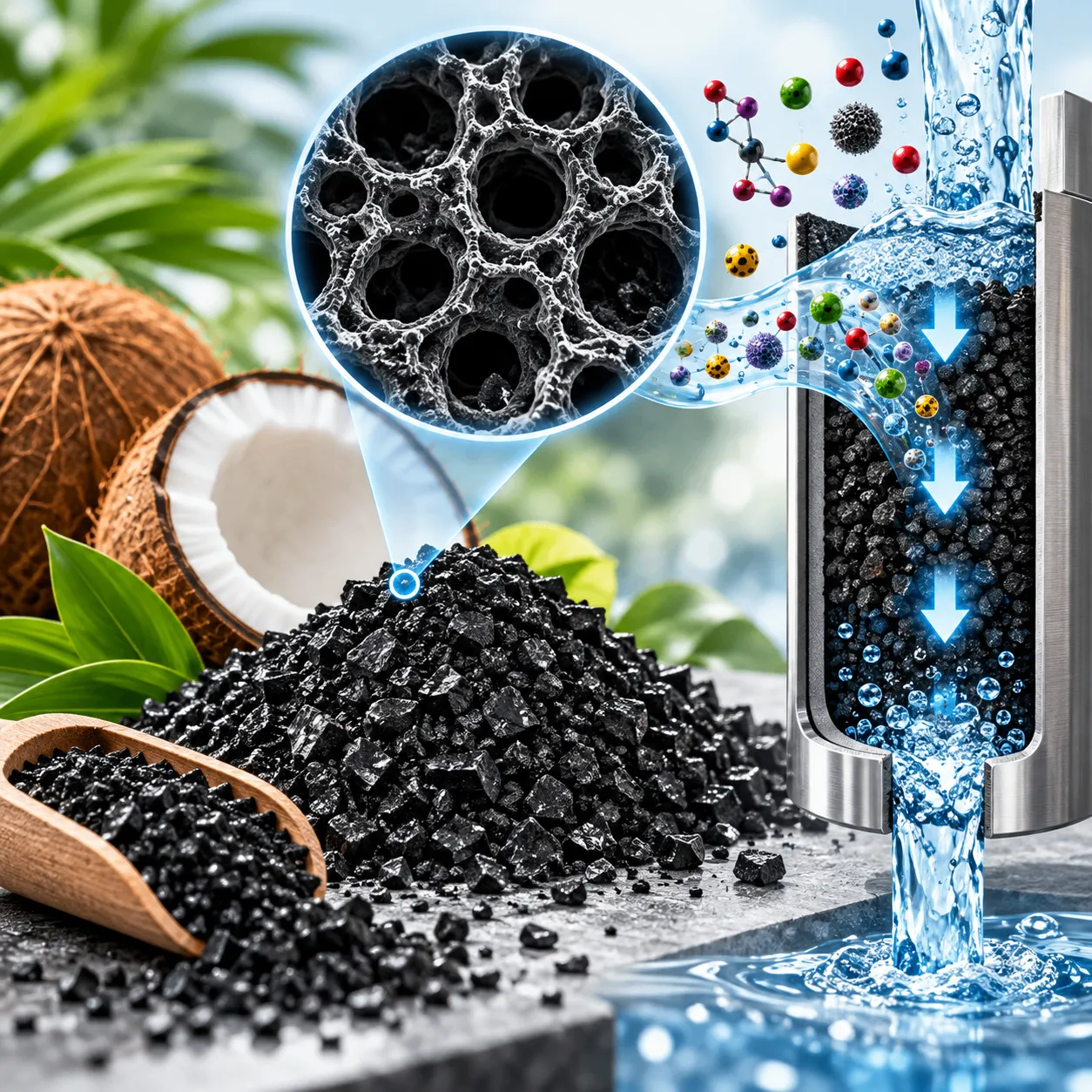
ACTIVESORB®-CX can be incorporated into fixed-bed pressure filters, gravity filters, point-of-entry systems and point-of-use equipment. Final media quantity, contact time, hydraulic loading and pretreatment must be selected according to the source-water analysis and treatment objective.
Municipal Drinking Water
Reduction of chlorine, chloramine, taste, odor and selected organic contaminants.
Point-of-Entry and Point-of-Use
Activated-carbon treatment for residential, commercial and institutional water systems.
Beverage Production
Improvement of process-water taste, odor and organoleptic quality.
Ion-Exchange Resin Protection
Reduction of oxidizing disinfectants before sensitive ion-exchange equipment.
Process and Ultrapure Water
Organic contaminant reduction upstream of advanced purification processes.
Wastewater and Water Reuse
Polishing of pretreated wastewater for color, odor and adsorbable organic compounds (includes swimming pools, aquariums, and industrial reuse).
Four treatment capabilities engineered into one carbon media
Catalytic Disinfectant Reduction (CATA-CX™)
Enhanced surface activity supports faster reduction of chlorine and chloramine than conventional non-catalytic activated carbon when sufficient contact time and suitable operating conditions are provided.
High-Capacity Organic Adsorption (MICROPORE™)
A developed micropore structure provides adsorption capacity for low-molecular-weight organic compounds, chloroform, trihalomethanes and other chlorinated by-products.
Hydrogen Sulfide Control (SULFIDE-GUARD™)
Catalytically active carbon surfaces support hydrogen sulfide reduction. Actual performance depends on concentration, pH, dissolved oxygen, contact time and competing contaminants.
Hard, Low-Dust Media (CLEAN-FLOW™)
High ball-pan hardness and extensive dedusting reduce carbon fines, improve handling and help maintain low treated-water turbidity.
Science & Technology
ACTIVESORB®-CX combines coconut-shell microporosity, steam activation and catalytic surface functionality to deliver adsorption and reduction of targeted contaminants.
- Steam-Activated Coconut Carbon – Selected coconut shells are steam activated to develop a highly porous internal structure without relying on conventional chemical activation agents.
- Micropore-Dominant Adsorption – The high micropore volume is particularly suited to adsorption of relatively small organic molecules and chlorinated organic by-products.
- Catalytic Surface Activity – Surface functionality accelerates chemical reduction of chlorine and chloramine. This performance mechanism is different from the physical adsorption of organic contaminants.
- Mechanical and Hydraulic Stability – High hardness, controlled grain sizes and optimized density support fixed-bed operation with reduced particle breakdown and manageable pressure loss.
Technical Data
Key properties, available grain sizes, and packaging specifications for ACTIVESORB®-CX.
Physical & Chemical Properties
| Property | Published Value |
|---|---|
| Iodine value | Minimum 1,100 mg/g |
| BET surface area | Typical 1,100 m²/g |
| Moisture, as packed | Maximum 3% |
| Total ash | Maximum 4% |
| Ball-pan hardness | Minimum 98% |
| CTC activity | Minimum 55% |
| Catalytic activity | Minimum 20% |
| Apparent density | Typical 522 kg/m³ |
| Bulk density | 525–540 kg/m³ |
| Product extract pH | 9–11 |
Available Grain Sizes
| Grade | Published Particle Range |
|---|---|
| 8 × 16 mesh | 2.36–1.18 mm |
| 8 × 20 mesh | 2.36–0.60 mm |
| 8 × 30 mesh | Confirm with supplier |
| 12 × 40 mesh | 1.70–0.425 mm |
| Other sizes | Available on request |
Packaging Options
- 25 kg bag
- 500 kg bulk bag
- Alternative packaging available on request
Download ACTIVESORB®-CX documents
Explore Our ACTIVESORB®-CX
Poster Library


Frequently
Asked Questions
Answers to common questions about ACTIVESORB®-CX selection, operation, applications and maintenance.
Contact SupportCalculate Your ACTIVESORB®-CX System
Determine the required media volume and empty-bed contact time (EBCT) based on your design flow rate.
Sizing Recommendation
Get an activated-carbon water solution
It all starts with your water analysis.
Send us your water-quality data, target contaminants, chlorine or chloramine levels and flow requirements. Our specialists will help evaluate ACTIVESORB®-CX for your application and recommend the necessary treatment configuration.