Add powerful metal adsorption to your treatment product
TITANSORB®-P is a fine, free-flowing titanium dioxide adsorbent powder developed for incorporation into carbon blocks, filter cartridges and selected water-treatment processes.
TITANSORB®-P brings the surface chemistry of TITANSORB® into a fine powdered form. Its smaller particles provide rapid access to active titanium dioxide adsorption sites, supporting the capture of arsenic and selected heavy-metal species. The powder can be blended into activated-carbon blocks and composite filtration materials to add targeted inorganic-contaminant adsorption alongside conventional organic-compound, chlorine, taste and odor reduction. TITANSORB®-P may also be used in controlled batch-contact, clarification and retention-tank processes, provided that an effective downstream solids-separation stage prevents powder from entering treated water.
Titanium adsorption / Flexible powder integration
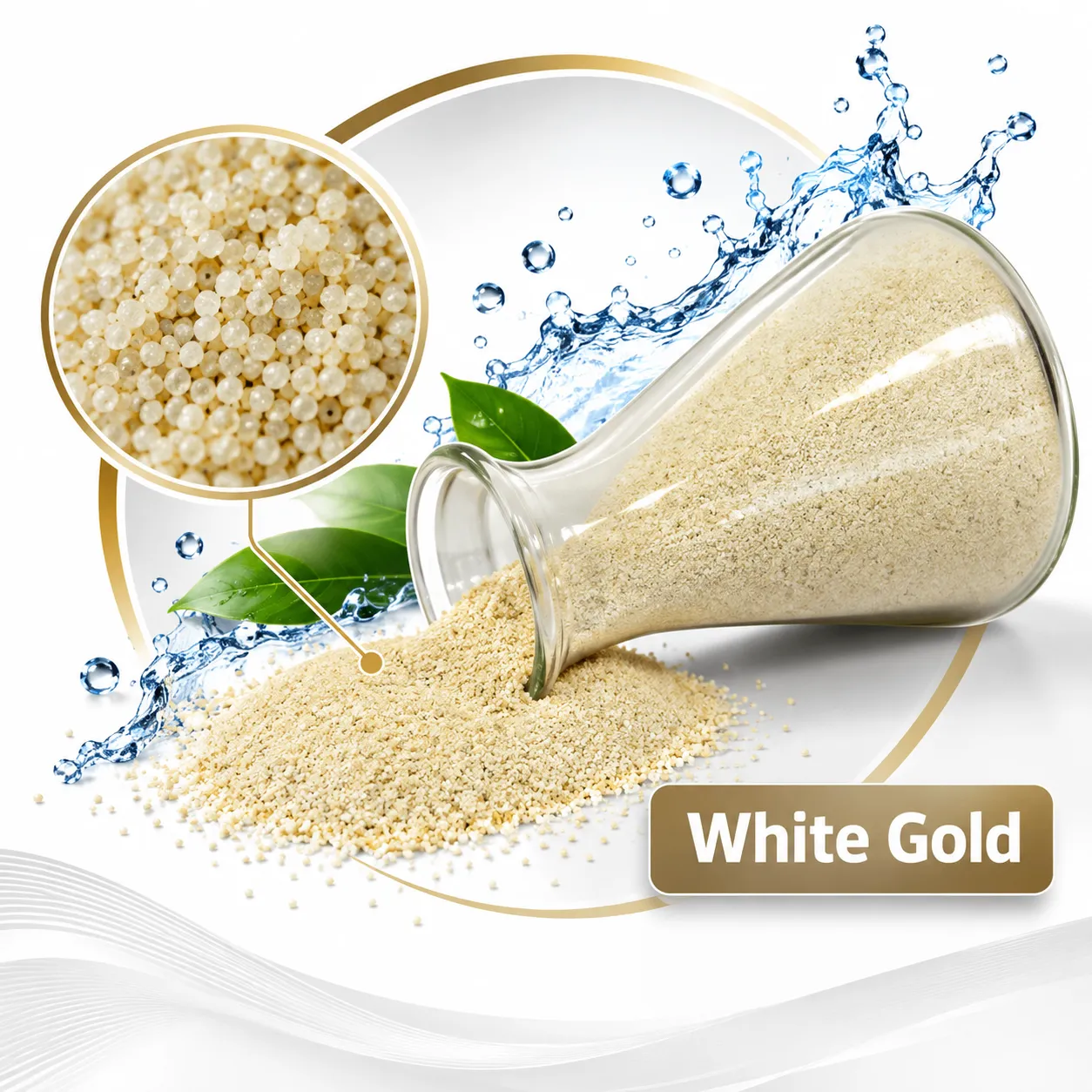
One adsorbent powder.
Multiple product possibilities.
TITANSORB®-P is designed for manufacturers and water-treatment professionals seeking to introduce titanium-based metal adsorption into cartridges, carbon blocks and controlled treatment processes.
Carbon-Block Manufacturing
Powdered titanium adsorber for integration into activated-carbon block formulations.
Water-Treatment Cartridges
Composite cartridge products targeting arsenic and selected metals.
Drinking-Water Clarifiers
Powder-contact treatment followed by controlled settling or fine-particle separation.
Municipal Water Treatment
Batch-contact or hybrid treatment for arsenic and selected metal contaminants.
Industrial Wastewater Treatment
Powdered adsorption of selected dissolved metals before clarification or dewatering.
Environmental Remediation
Treatment support for contaminated groundwater, surface water and remediation streams.
Four performance advantages in one powdered adsorber
Titanium dioxide adsorption
Hydroxylated titanium dioxide sites bind arsenic and selected metal species through surface-complexation reactions.
Fine-particle mass transfer
The powdered form shortens diffusion distances and provides rapid contact between dissolved contaminants and active adsorption sites.
Carbon-block performance enhancement
TITANSORB®-P can be blended with activated carbon and suitable binders to introduce targeted metal adsorption into molded filtration products.
Flexible product formulation
The powder format supports incorporation into cartridges, composite media, batch-contact systems and other engineered treatment products.
Fast titanium surface chemistry in powdered form
TITANSORB®-P uses titanium dioxide surface sites to adsorb arsenic and selected heavy-metal species from water.
- Hydroxylated Surface Sites – Water contact creates titanium-associated hydroxyl groups that participate in surface-complexation reactions.
- Arsenic Oxyanion Binding – As(V) species can bind strongly to metal-oxide surfaces through ligand exchange.
- Fine-Particle Contact – Smaller particles provide a high external surface-to-mass ratio and shorter intraparticle diffusion paths.
- Composite-Media Integration – The powder can work alongside activated carbon, binders and other functional additives in an engineered filter product.
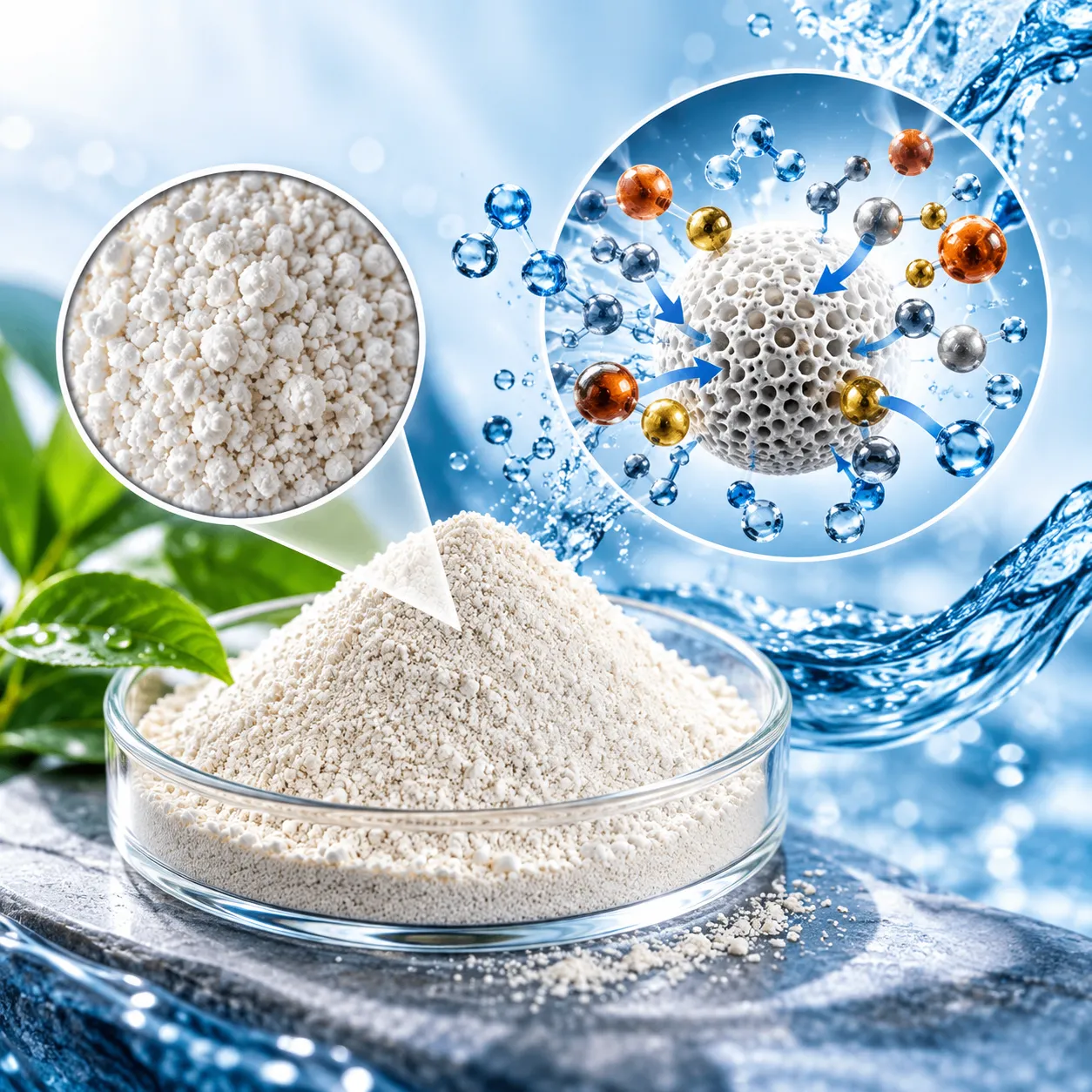
Carbon-Block Integration & Thermal Processing
Guidelines for manufacturers incorporating TITANSORB®-P into composite filtration blocks and powder-contact systems.
Carbon-Block Formulation
When incorporating TITANSORB®-P into a carbon block, manufacturers should evaluate powder addition rate, binder chemistry, extrusion temperatures, and uniform particle distribution to prevent bypassing.
- Ensure uniform blending with activated carbon.
- Test block pressure drop and flow rates.
- Verify particulate shedding and treated-water certification.
Thermal Processing & Safety
TITANSORB®-P is thermally stable under typical carbon-block manufacturing conditions. However, processing parameters must always be verified prior to full-scale production.
- Confirm maximum permitted processing temperatures and exposure times.
- Check adsorption capacity retention after thermal treatment.
- Utilize proper dust control (respirators, local exhaust ventilation).
Download our latest TITANSORB®-P documents
Explore the TITANSORB®-P
application library


Frequently
Asked Questions
Learn about TITANSORB®-P composition, carbon-block integration, contaminant treatment and safe handling.
Contact SupportCalculate Your TITANSORB®-P Batch / Block Blend
Determine the required powder dosage by weight based on your total carbon-block batch or composite media mass.
Formulation Recommendation
Add advanced titanium adsorption to your filtration product
It all starts with your formulation and target contaminant.
Send us your carbon-block composition, processing temperature, target contaminants, required capacity and product flow rate. Our specialists will help evaluate TITANSORB®-P for your application.